
Plan Your Trip to Iceland
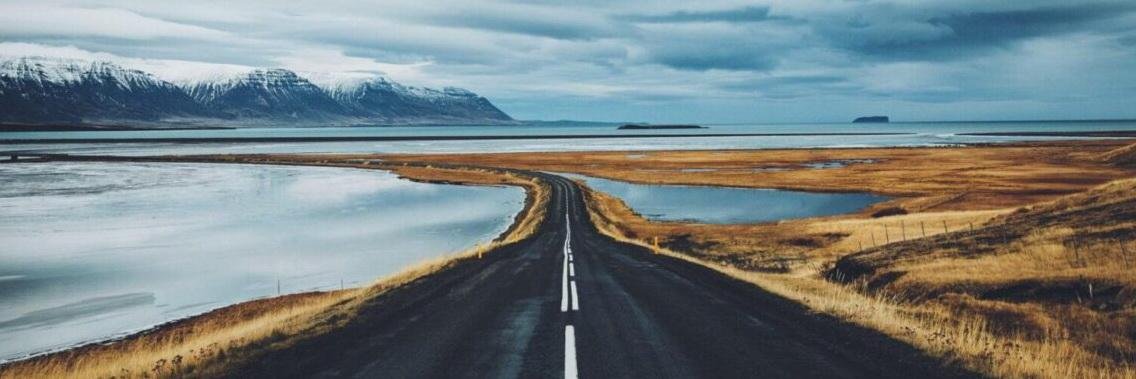
Plan Your Trip to Iceland
Were you thinking of a trip to Iceland? You have come to the right place! Here you can find almost all the information you need to get started preparing your ideal holiday in Iceland. This post covers a lot. We’ll take a look at the different ways to get around Iceland, as well as some of the regions you might want to visit at other times. We also include tips for when and how long to travel in the country: which route to take, what to pack, where to stay, and local specialties. These are the considerations you will likely encounter when you start practically planning your trip.
- When should you go to Iceland?
- How long to plan a trip to Iceland?
- What is the best way to travel?
- Which route to take for a trip?
- Lodging. Where to stay in Iceland?
- How much will the trip cost?
This will depend on your personal preferences. Iceland will never get hot; the maximum summer temperature is around 20°C (70°F), making it good summer weather to visit. In addition, the summer midnight sun allows you to extend your daily itineraries. However, winter offers the opportunity to see the northern lights, if you have it on the list. And you will find more affordable accommodation and flights in the winter, especially in February and March. Here is a very short summary:
Hight Season (Mid-June through the end of August)
Summer is the most popular time to visit Iceland, so prices are likely to be higher and attractions more crowded with visitors. Roads will be open around the country, making attractions more accessible, and a number of tours that weren’t possible in the other months will be operational. The long days mean that you aren’t going to see the aurora borealis. The country will be beautifully green and lush though, with colorful wild lupin flowers lighting up the landscape if you visit when they’re in bloom. Also, a great time to see wildlife.
Shoulder Season (Mid-May through mid-June, September through mid-October)
Coming in late spring, visitors can expect enough daylight hours, roads in good conditions, a wider range of available accommodation, and occasionally lower prices. In early autumn, temperatures may be cool and crisp, with golden light and changing colors on the trees. There will be fewer travelers and lower prices. The later in the fall you arrive, the better chance you’ll have of seeing the Northern Lights.
Low Season (Mid-October – April)
Running roughly from mid-October right through to the end of April is considerably winter time in Iceland. The closer to December, you’ll get less than six hours of daylight! The shortest day time is at the end of December. In March, however, the daylight time goes up to 12 hours or more. That darkness is great for seeing the Northern Lights till the end of March, so if that’s a key consideration for your trip, winter is the time you should visit. Winter means snowy landscapes and possibly icy driving conditions, and some parts of the country, particularly the high ground, become inaccessible for all but the most extreme off-road vehicles. The temperature rarely falls far below freezing, there are far fewer visitors, and the wintery landscapes are stunning to behold. Plus, that chance of seeing the Northern Lights is tempting!
Recent Posts

Useful Travel Tips

Map Your Itinerary

