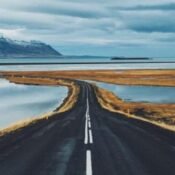
Northern Lights
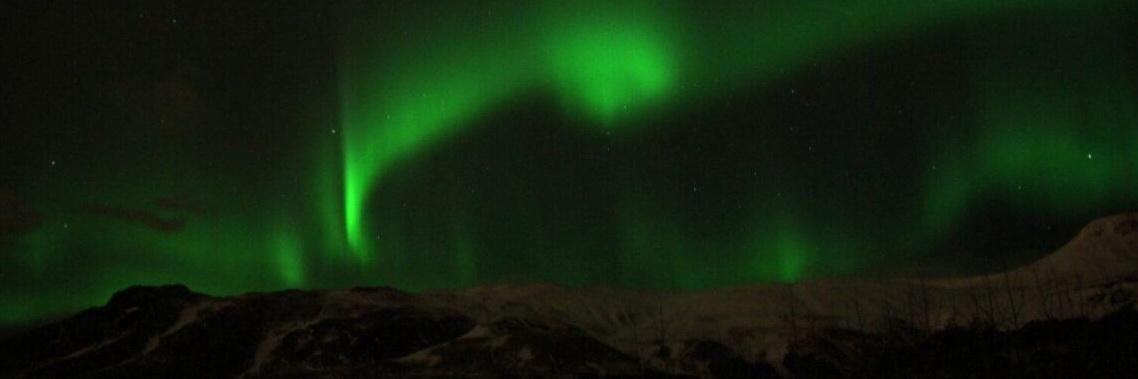
Northern Lights
Iceland, the south of the Arctic Circle, is ideal for observing the Northern Lights (Aurora Borealis). There are a few things to consider to see the glow. First of all, time and place are critical. You have to be in the right place at the right time and stay there long enough to maximize your chances.
We know how wonderful it can be when the dream of seeing the Northern Lights finally comes true, and we can only imagine your disappointment if you have to leave the country without success. No one can guarantee that you will see the lights while you are in Iceland. But for the six months from October through March, your chances will be good. If you’re out of luck and the Northern Lights don’t show up during your stay, don’t let yourself get too disappointed. Nature is not in our control, and this is completely normal. Iceland will make sure you want to come back here again in winter or summer. We wish you a successful trip and good luck hunting the Northern Lights!
- Northern Lights in Iceland
- Northern Lights Facts
- Northern Lights Shooting
The best time to see the Northern Lights in Iceland is from October to March. At this time, darkness falls early enough. December and January are the darkest months. Traveling in winter may be the best way to increase your chances of seeing the Aurora. The more time you spend in Iceland and travel, the more chances you will have.
Aurora can be highly active for several hours, but it can also disappear at any time. Sometimes it only appears for a few minutes and then disappears. Lights are most often light greenish with a tinge of white and pink.
Before setting out on your Northern Lights trip, we recommend that you check the weather and Aurora forecast on the local weather site https://en.vedur.is/weather/forecasts/aurora/. There you will see the forecast in real-time as well as for the next few days.
The site displays both the presence of cloud cover over Iceland and the strength of solar activity. Green areas on the map show where the clouds are, and white areas show clear skies. Aurora activity is defined as a numerical value. This is usually a number between two and four. A value between zero and two predicts a low chance for aurora, while the value of five or more means magnetic storms, and the forecast is promising. Three and four points mean a good chance to see the lights if the sky is clear. However, these numbers can change during the day and are not always reliable for a preliminary forecast. Therefore, check the weather forecast in the last hours before your trip and keep an eye on clouds. The presence and position of clouds largely depend on the wind, so the final decision in which direction to go from Reykjavik to hunt for the Northern Lights is best taken in the last hours before the trip. Look for areas on the map that are not colored green, preferably with a clear view to the north.
Where is the best place to go to observe the Aurora?
Due to the unpredictability of the aurora, there is no specific best spot in Iceland to observe it. The lights are shown in the sky, so any cloudless and dark place can be successful. At the same time, it is better to avoid places with high mountains or buildings. Flat areas are often found close to the sea coast.
If the forecast is promising, all you have to do is find the best observation spot in the area with the least clouds. In this case, it is better to leave the illuminated areas of the city. The darker the environment, the better your eyes will distinguish colors in the sky.
You are advised to find a safe parking spot where you can get out of your car and walk safely in the dark for safety reasons. You will probably spend a few hours waiting for the Northern Lights, and then you can get very excited or distracted when it appears. Stopping on the side of the road is illegal and can be very dangerous.
If you’d rather stay in Reykjavik and find a good spot to watch the Northern Lights, there are several options for that. If Aurora’s activity is strong enough, you will be able to see the lights even in the city center. However, they will be much weaker than observed from a dark place. To increase your chances, you can find some good places in the city with fewer lights:
- Grotta Lighthouse is at the very tip of the Seltjarnarnes peninsula, 5 km (3.5 miles) from the city center.
- Harpa Concert Hall. If you are in the city center and see lights, the waterfront area near the Harpa is the closest place without streetlights.
- Perlan. It is a glass dome mounted on six warm water tanks. Perlan is located on the top of a hill covered with a small forest and offers a beautiful view of the capital.
You can also visit the newly built Perlan Planetarium during the daytime. Where you will have the opportunity to watch the impressive and informative show “Northern Lights.” Reykjavik even has the Aurora Museum, which has a multimedia exhibition, interactive displays, and virtual reality glasses. Be sure to visit at least one of these places.
Self-drive or excursion?
If you have rented a car and are an experienced driver, you can search for the Northern Lights yourself. Driving in Iceland in winter requires experience in such driving conditions. If you are not sure of your skills or do not want to bother checking the weather forecast and finding a suitable place in an unfamiliar country, you can order the Northern Lights tour. Many tour operators in Reykjavik offer Northern Lights tours. During the tour, local guides use their knowledge and experience to maximize your chances of success.
How to dress for your trip?
Get ready for Icelandic weather. Choose the right clothes to make the time you spend waiting for Aurora comfortable. This is especially important as you will not move much while you wait for Aurora to appear. Outerwear should be heat-insulating and windproof. A hat, gloves, and a pair of warm, waterproof boots are also required. Pocket warmers are a great item to have in your hands during extended waiting periods. You can pack a thermos with hot tea or cocoa and a flashlight, so you can explore the area if you decide to walk around the car.
Recent Posts
Useful Travel Tips

Map Your Itinerary