
Icelandic Cuisine
Icelandic Cuisine
Restaurants across the country offer a wide variety of dishes from both foreign and Icelandic cuisine, inspired by natural ingredients. Most traditional Icelandic dishes consist of fish, dairy products, bread, potatoes, and lamb. But modern chefs have become more inventive by adding new ingredients based on old recipes.
Since two million people come to the country every year, the national cuisine has changed over the past decades, more inclined towards pizza, pasta, and hamburgers. However, the key elements of Icelandic cuisine have changed little since settling the country over a thousand years ago.
- Contemporary cuisine
- Traditional cuisine
- What to try in Iceland
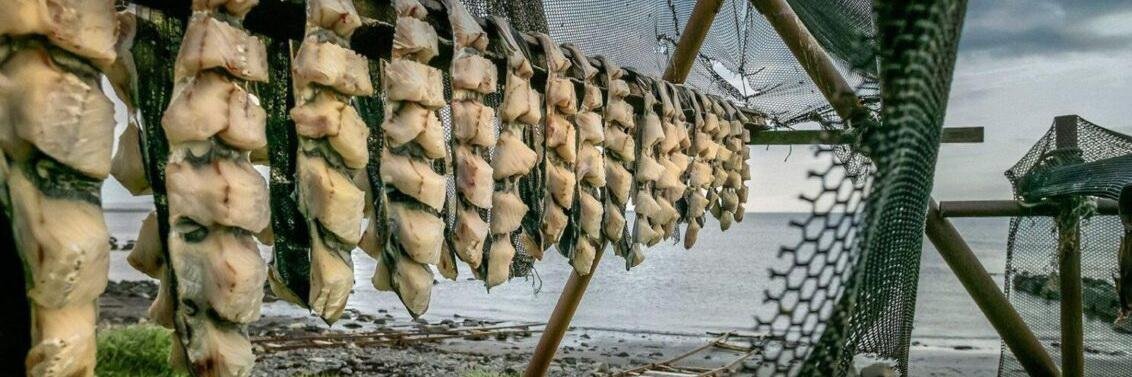
Fish and seafood, in general, make up a significant part of Icelandic cuisine due to the country’s location in the middle of the ocean. Fishing has been an important way to feed the population throughout history. The main marine fish species consumed are cod, haddock, catfish, halibut, monkfish, mackerel, and herring.
Three species of salmon can be found in rivers and lakes: arctic char, trout, and Atlantic salmon. The fish served in local restaurants are often very fresh and can even be the day’s catch. There is nothing better than enjoying a fresh bite of salmon, cod, or arctic char in the same spot where it was caught or raised. Many restaurants specialize in seafood, focusing on product quality rather than traditional cooking methods emphasizing cleanliness, simplicity, and freshness.
You can also find many varieties of Icelandic lamb throughout the country: smoked, grilled, slow-cooked, kebabs, or fried. Whatever you choose is bound to be delicious. Besides lamb, you will find traditional meats such as pork, beef, and chicken in grocery stores and restaurants. However, do not be surprised if you see horse meat or even venison on the restaurant menu, and during your travels around the country, you will probably come across a few more things that may cause surprise. Despite signs offering whale and puffin tasting along the central streets of Reykjavik, many Icelanders stay away from these dishes when it comes to eating the much-loved animals.
The following foods are proudly called Icelandic and are eaten regularly:
- Hangikjöt, a smoked lamb cut into thin slices and served with sandwiches or traditional flat aka bread.
- Kjötsupa or meat soup. Made from harder pieces of lamb, hearty vegetables with the addition of barley and various Icelandic herbs. Great on a cold winter day.
- Pylsa or hot dog. It is often called the most popular dish in Iceland because sausages consist of lamb, beef, and pork. Order pylsa with crispy fried and raw onions, ketchup, sweet mustard, and creamy remoulade sauce.
In our time, geothermal energy has made it possible to use only locally grown vegetables such as tomatoes, cucumbers, paprika, various types of cabbage, and mushrooms all year round. Over the past decades, Icelandic national cuisine has evolved from modest to cosmopolitan.
Reykjavik has many fine dining restaurants, gastro pubs, brasseries, bistros, burgers, and a growing number of vegan and vegetarian restaurants. However, if you are traveling out of town, you are likely to find more traditional restaurants serving mainly fish and lamb, but those who are picky about their food should always be able to find a pizzeria or fast food.
Recent Posts

Useful Travel Tips

Map Your Itinerary